


Creating fresh content every single day feels exhausting. Brands scramble to post across platforms while budgets stay tight. Marketing teams spend nearly 4 hours on a blog post that reaches only about half the target audience.
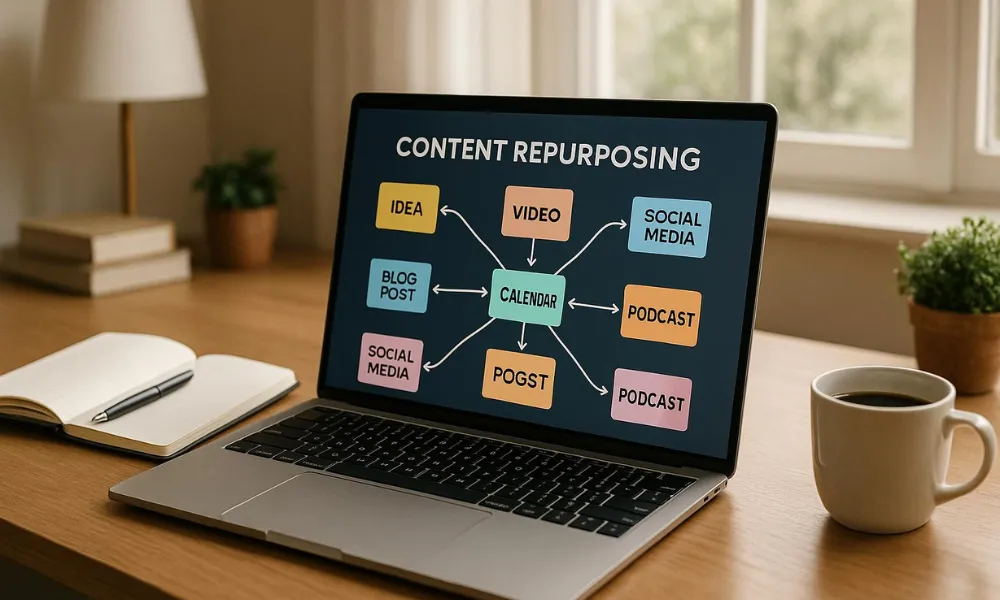
The benefits of content repurposing transform how brands approach marketing. Instead of constantly creating new material, smart marketers turn one quality piece into multiple formats. A single blog becomes videos, social posts, infographics, and email newsletters.
Think about all that content sitting unused in archives right now. What if it could work harder across every platform without starting over? That’s exactly what happens when repurposing becomes part of the strategy.
Why Smart Brands Repurpose Content
Most marketing teams feel stretched too thin these days. Creating original content for Instagram, LinkedIn, YouTube, and email lists demands serious time and energy. Meanwhile, audiences keep growing on platforms that didn’t even exist a few years ago.
Repurposing practically solves this problem. That detailed guide, already published, can become a podcast episode tomorrow. The same research will turn into an infographic next week.
Each version reaches people who prefer different content types without duplicating effort. Search engines notice when brands show up consistently across formats, too. Multiple pieces covering similar topics signal expertise and authority.
This helps websites rank better while giving audiences more ways to discover content. Content Marketing Services teams build entire strategies around this multiplier effect. The shift matters because content shouldn’t be disposable anymore.
Creating something once and using it everywhere makes more sense than constantly chasing new ideas.
Real Advantages That Actually Matter
Time savings show up immediately when repurposing becomes routine. The heavy lifting happens during initial creation with research, writing, and editing. Adapting that same piece for different platforms takes way less mental energy.
Budgets stretch further, too. Producing original content costs money, whether it’s articles, graphics, or videos. Turning one asset into ten different formats means getting more value from every dollar spent.
Different people consume content in different ways. Some scroll blogs during coffee breaks. Others listen to podcasts while driving or prefer watching short videos. Meeting audiences where they already hang out naturally expands reach without extra promotional spending.
The benefits of content repurposing also include better retention of key messages. When someone sees the same concept explained in an article, then visualized in an infographic, the information sticks better. Repetition works when presented in fresh formats that don’t feel redundant.
How to Actually Do It Right
Start by looking at what already performs well. Analytics show which pieces resonate most with audiences. Those proven winners deserve to be repurposed first because their value is already validated by real engagement.
Long content gives the most repurposing options. A comprehensive article contains multiple angles worth exploring separately. Each section can stand alone as a social post or newsletter segment. Breaking big pieces into smaller chunks makes dense information easier to digest.
Written content adapts easily into video scripts, podcast episodes, infographic data points, social carousels, or email sequences. The trick involves actual adaptation instead of just copying and pasting. Each platform has different expectations about length and style.
What works as a lengthy blog needs to be condensed for Social Media Management platforms. Text-heavy pieces might need visual elements when becoming videos. Thinking about how audiences use each platform shapes better adaptations.
Linking formats together creates something powerful. A video can point viewers toward the full article for deeper details. The article links to the video for visual learners. Everything connects and reinforces itself while serving different preferences.
Getting Past Common Obstacles
Quality worries sometimes prevent teams from reusing content. Nobody wants material to feel stale or recycled. Good adaptation actually adds freshness by including new examples or updated data. Recent developments keep repurposed content current and relevant.
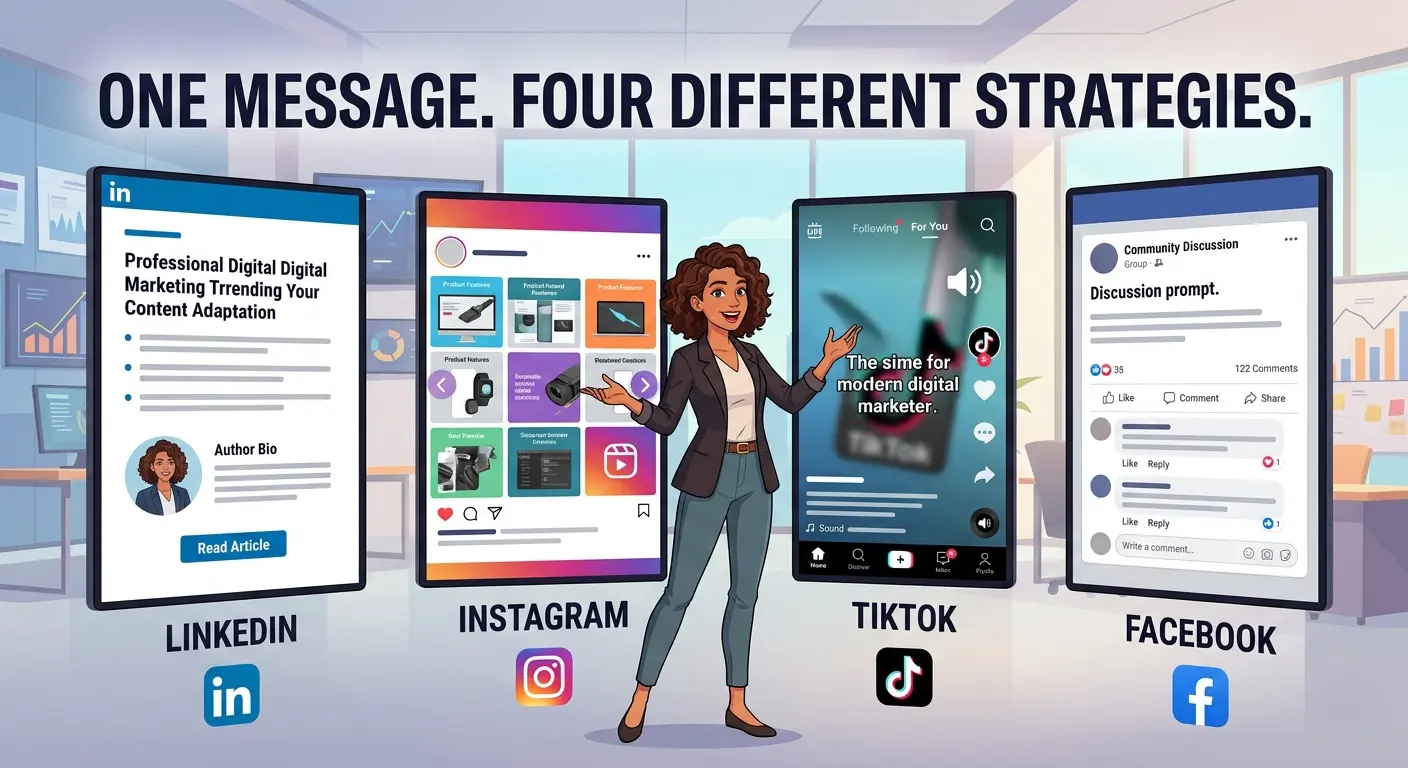
Every platform needs its own optimization approach. LinkedIn audiences expect different tones than TikTok viewers, even when topics overlap. Learning what works where ensures adapted content performs instead of flopping.
Repurposing surprisingly speeds up workflows once systems exist. Constantly brainstorming new ideas drains creative energy faster than adapting proven concepts. Starting with existing frameworks actually accelerates timelines instead of slowing them down.
Using platforms like Youtube Advertising works better when videos come from validated topics. Knowing an idea already resonates reduces production risk significantly.
Need help turning existing content into multi-platform assets? Professional strategists can review content libraries and create repurposing plans that increase output without burning everyone out.
Making It Last Long Term
Building repurposing habits starts during content creation itself. Recording audio while writing creates podcast material with minimal extra work. Taking photos during video shoots provides ready social media images.
Simple tracking systems keep everything organized. A spreadsheet noting what exists, what performed well, and what formats remain unused prevents duplication. This also reveals new opportunities hiding in plain sight.
The benefits of content repurposing grow over time as libraries expand. Old evergreen content gets refreshed and shared with new audience members. This creates ongoing returns from past efforts instead of letting them gather digital dust.
Measuring results across platforms shows what actually works. Maybe carousel posts crush regular images or podcast listeners engage more than blog readers. These insights guide smarter decisions about where to focus repurposing energy.
Frequently Asked Questions
What types of content work best for repurposing?
Evergreen guides, case studies, and expert interviews repurpose well. They contain multiple insights worth reformatting for various platforms.
How often should content be repurposed?
Wait 60 to 90 days before repurposing for the same audience. Different platforms can use adapted content immediately since audiences rarely overlap completely.
Does repurposing hurt SEO by creating duplicate content?
Not when done correctly across different platforms and formats. Search engines understand that a blog post differs from a YouTube description or LinkedIn article.
How many formats can one piece of content become?
A comprehensive article realistically becomes 10 to 15 different assets. This includes social posts, videos, infographics, emails, and presentation slides.
What tools help streamline content repurposing?
Content management systems, design tools like Canva, and transcription services support repurposing. Strategy matters more than tools, though.