


Most marketers broadcast the same content across Instagram, TikTok, LinkedIn, and Facebook wondering why engagement tanks. The brutal truth is that 76% of brands failing at social media never develop a real platform strategy.
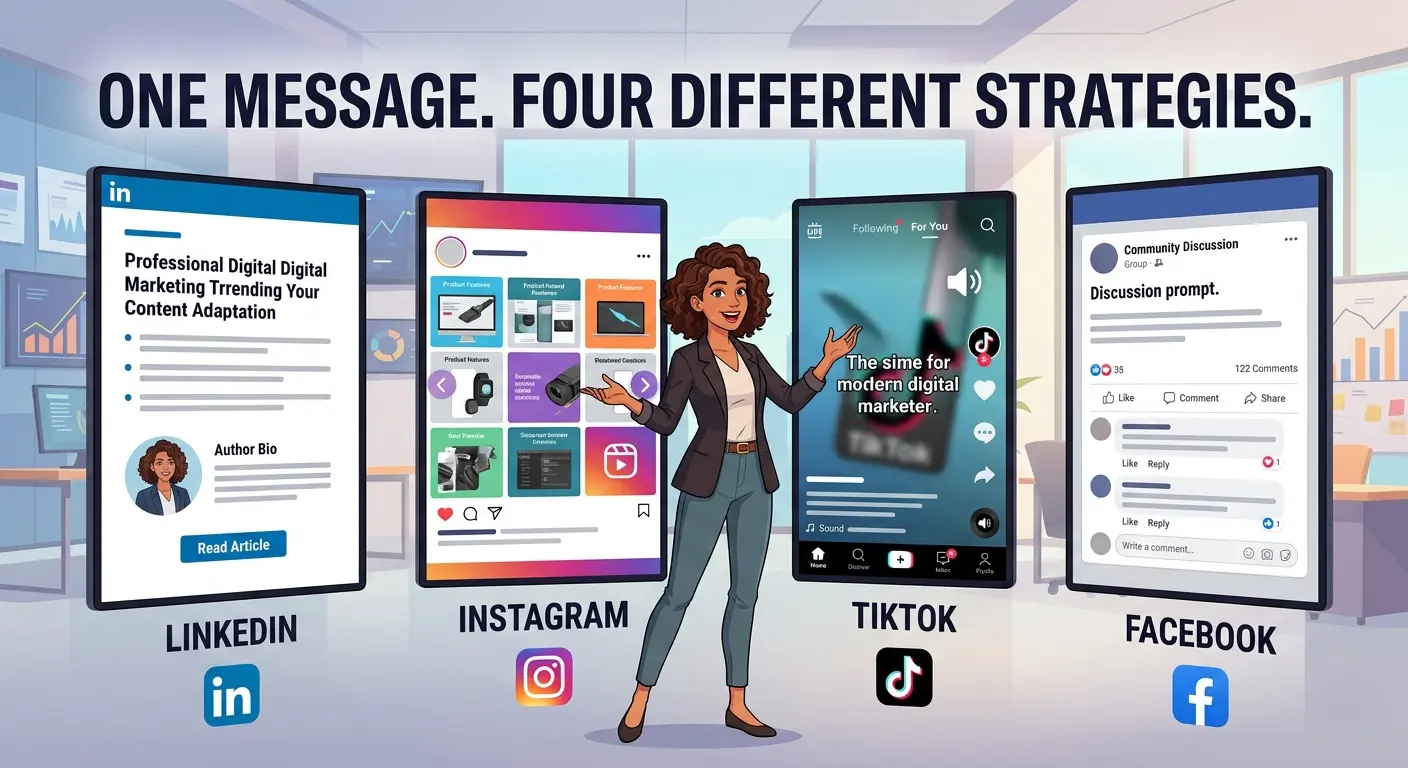
Platform-specific social media strategies are tailored approaches designed for each platform’s unique audience behavior and algorithmic preferences. Instead of one message everywhere, this means crafting distinct content that resonates with where each audience actually hangs out.
Here’s what makes this matter: A viral Instagram Reel gets posted to LinkedIn where professionals expect substance. A witty Twitter joke lands flat on Facebook where community matters more.
Without platform strategy, even great content underperforms because the format and timing are wrong. So what’s actually preventing most brands from capturing this advantage right now?
Why Each Platform Demands Different Approaches
LinkedIn users arrive with professional intent. TikTok viewers seek entertainment during downtime. Instagram users hunt for inspiration. Facebook audiences crave connection. Twitter dwellers want real-time conversation.
These behavioral differences demand fundamentally different content approaches. Posting times for LinkedIn miss TikTok’s peak hours. Hashtag density that builds Twitter visibility tanks Facebook engagement. Video formats for 16:9 get cropped on Instagram Stories.
When brands ignore platform differences, engagement metrics collapse immediately. Brands implementing platform-specific social media strategies see measurable improvements in click-through rates and conversion velocity. This isn’t complicated, just strategically specific.
Strong Content Marketing Services complement social strategy by ensuring quality content fuels all channels. Pairing this with PPC Services amplifies reach across paid channels that complement organic social efforts.
LinkedIn: The Professional Trust Builder
LinkedIn is where intention lives. B2B audiences come here to explore business solutions. Winning strategy treats LinkedIn like professional publication, not social media.
Successful content centers on thought leadership and problem-solving. Longer posts (150+ words) outperform quick takes. Share company milestones but frame them around industry trends. Industry statistics and case studies drive engagement.
The posting sweet spot is 3-4 times weekly. LinkedIn’s algorithm favors consistency and profile completeness. When team members like and comment on company posts, it signals legitimacy to LinkedIn’s system.
One often-missed tactic is leveraging employee networks. A company post might reach 5,000 people. That same post shared by 20 employees reaches 100,000 plus networks.
Instagram: The Visual Hierarchy Master
Instagram doesn’t reward effort. It rewards intention. Every pixel communicates something important. The platform runs on visual hierarchy. The first frame of a Reel determines whether someone engages or scrolls.
Many brands still post static carousels as if it’s 2018. The platform wants video with quick-hit value within first three seconds. Keep captions punchy at 80-150 characters with clear calls-to-action.
Five to ten relevant hashtags drive better results than the old 30-hashtag spray approach. Hashtag followers are genuinely interested when targeting is tighter. Stories represent untapped leverage for most brands.
Stories disappear after 24 hours, removing permanence-pressure. Consistent Story posting at 3-5 daily builds habit-viewing without clogging feeds.
TikTok: The Entertainment Algorithm
TikTok’s algorithm differs radically from Facebook’s follower-centric model. Being new is an advantage here. Fresh accounts get algorithmic visibility equal to million-follower accounts if content engages viewers in first three seconds.
Sound design matters more on TikTok than any other platform. Trending audio and original sounds heavily influence discoverability. Authenticity beats polish here completely. The most successful brand TikToks look less like professional ads and more like genuine takes from real humans.
Focus on specific hashtags related to content type and niche rather than generic ones. Posting at 6-9 AM and 7-11 PM generates strongest performance on this platform.
One viral video generates exponentially more value than 30 mediocre daily posts. Aim for 3-4 higher-effort pieces weekly that reflect brand voice.
Facebook: The Community Amplifier
Facebook’s strength isn’t discovery. It’s retention and community building. The algorithm favors content from pages people already follow. Existing audience engagement matters more than hashtags.
Longer-form content and video outperform short posts here. Facebook pages that write 200+ word posts with compelling images see significantly higher reach. The platform rewards thoughtful, substantive updates from trusted sources.
Groups represent where Facebook actually competes. Creating or actively managing a community-focused group generates more consistent reach. Upload native videos to Facebook rather than linking YouTube because native uploads stay on platform longer.
Rapid response to comments directly boosts post visibility. Posting 1-2 times daily for pages with large audiences works well.
Cross-Platform Strategy Without Losing Identity
Creating distinct content for each platform doesn’t mean starting from scratch five times. Adapt core messages across platforms rather than duplicating them.
A single insight becomes a LinkedIn article, an Instagram carousel, a Twitter thread, and a Facebook video. Same value. Radically different packaging for each audience.
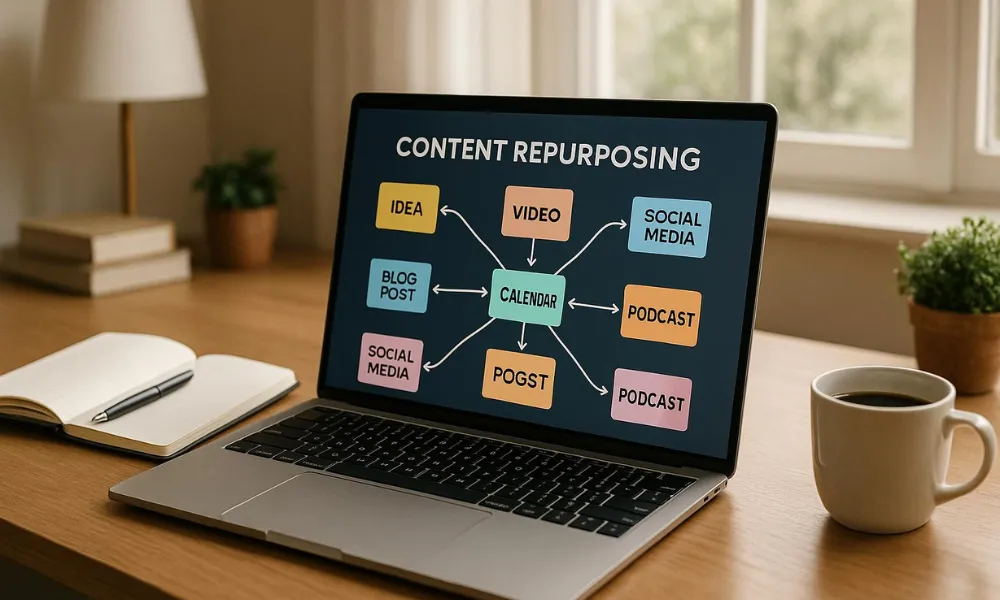
Create a content hub that stores core messages. Then adapt assets for each platform’s technical requirements. Brand personality should be recognizable across all platforms but expression changes platform to platform.
Partner with Social Media Management services to ensure consistent execution across platforms.
FAQs
Q1: Should every platform post the same number of times?
No, each platform has different optimal frequencies based on audience behavior. LinkedIn works at 3-4 posts weekly.
Q2: Can one person manage multiple platform strategies?
One person realistically manages two platforms deeply or three adequately. Managing five platforms solo produces mediocre quality.
Q3: How quickly do strategy changes show results?
Most platforms take 2-4 weeks of consistent execution before algorithms adjust. Results typically show around week three or four.
Q4: What’s the difference between platform strategy and content calendar?
Strategy defines what works on each platform and why. Content calendars simply schedule posts at specific times.
Q5: Should brands use scheduling tools or post native?
Mix both approaches strategically for best results. Native posting shows platforms real humans are engaging now.